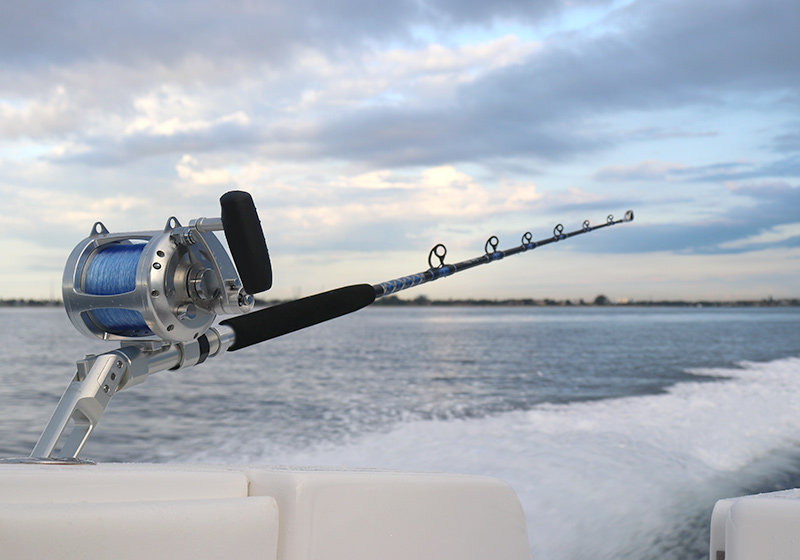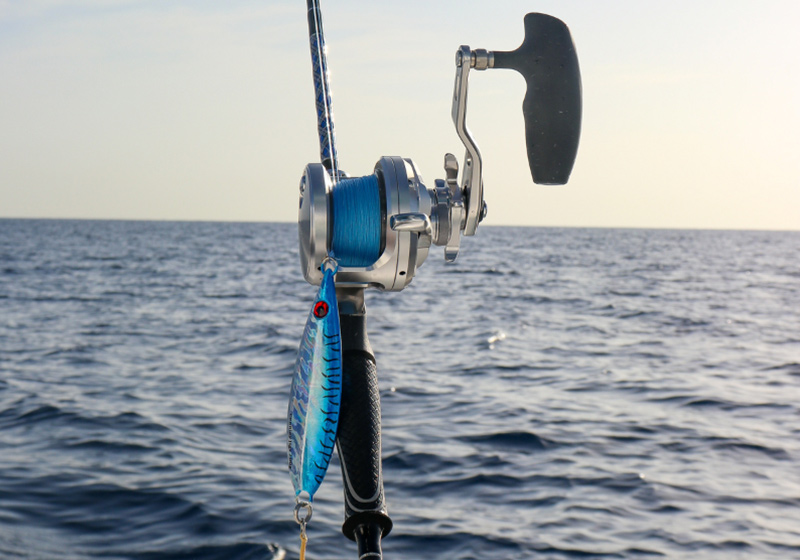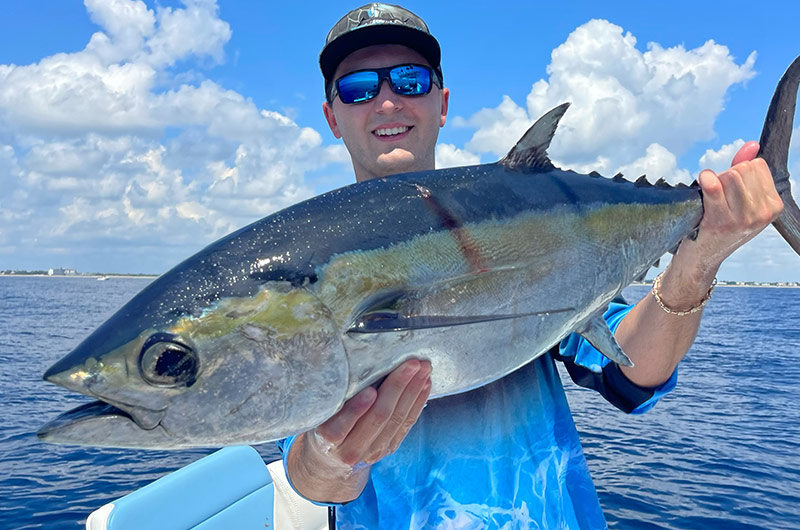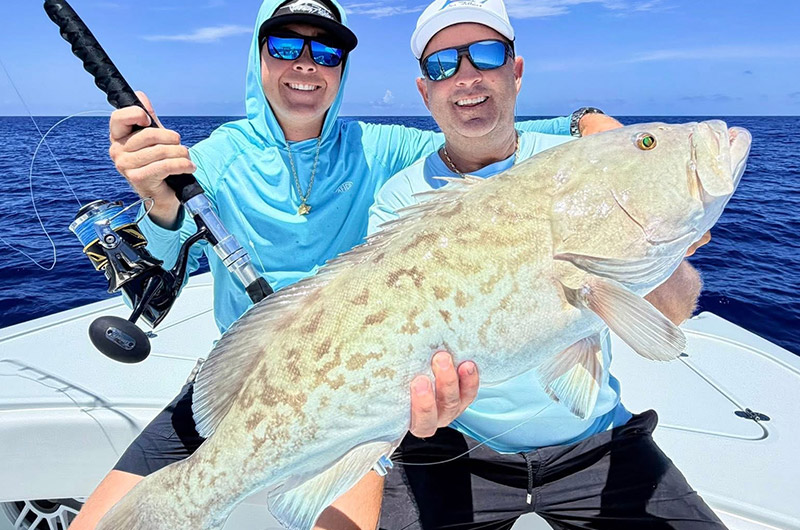

Fishing several hundred feet below the boat changes what you need from your equipment.
You’re dealing with heavier sinkers, more line in the water, and a reel that may be doing much of the retrieving for you. Depending on the depth and current, the amount of weight required to keep your bait near the bottom can be substantial.
That’s where having the right deep drop fishing rod becomes important.
But there’s something we explain to customers at Connley Fishing that sometimes surprises them.
You don’t always need a dedicated deep drop rod to go deep dropping.
In certain situations, a good 50-100 stand-up rod can do the job extremely well while giving you the flexibility to use that same rod for trolling or traditional bottom fishing.
In other situations, particularly when you’re fishing heavy lead in several hundred feet of water with a larger electric reel, a shorter, heavier dedicated deep drop rod makes much more sense.
The key is understanding the difference.
Let’s look at how we choose deep drop rods, what matters when pairing them with electric reels, and the setups we’d recommend for different offshore applications.
What Makes a Good Deep Drop Fishing Rod?
A deep drop rod has a different job than a traditional trolling or casting rod.
The equipment needs to manage the weight of the rig, the pressure of fishing in deep water, and the demands of the reel being used.
But that doesn’t mean the rod should be completely stiff.
When we’re choosing a deep drop rod, we look for several characteristics:
Appropriate length: A shorter rod can make it easier to reach the tip and grab the line when bringing a fish or rig to the boat.
Enough backbone: The rod needs to handle the sinker weight, reel and fishing conditions.
Some tip action: We still want the tip to respond rather than having a completely rigid rod.
Reel compatibility: The rod needs to be properly matched to the size and capabilities of the electric reel.
The right butt configuration: The rod needs to work with the boat’s rod holders and the way the angler plans to fish.
Those details matter more than simply buying the heaviest rod you can find.
Why Deep Drop Fishing Rods Are Usually Shorter
One of the most practical differences between a deep drop rod and many other offshore rods is its length.
We generally prefer shorter rods for deep dropping.
The reason isn’t complicated.
When you’re bringing a rig or fish up from deep water, you eventually need to reach the line.
A shorter rod makes it easier to reach toward the tip and grab the line when necessary.
That can make handling the equipment at the boat much more manageable.
Imagine using a long rod with a heavy deep drop rig.
Once the rig reaches the surface, reaching beyond the tip to control the line can become awkward.
A shorter rod reduces that problem.
Of course, length isn’t the only consideration.
We still want the rod to have enough backbone for the weight and reel being used, along with some action in the tip.
The goal is a rod that’s practical to handle and properly suited to deep water fishing.
Why Deep Drop Rods Still Need Tip Action
Some anglers assume a deep drop rod should be as stiff as possible. After all, you’re fishing heavy weights, sometimes with a powerful electric reel.
But there’s an important difference between a rod’s strength and how it bends under pressure. Understanding how fishing rod power and action affect performance helps explain why we still want some tip action in a deep drop rod without sacrificing the backbone needed for the job.
We still like to see some tip action.
That gives the rod the ability to respond under load while maintaining the backbone needed for deep dropping.
The important thing is finding the right balance.
Too little backbone for the reel and rig can leave the rod poorly matched to the application.
But simply adding stiffness doesn’t automatically make a rod better.
We want the rod to work properly with the equipment being used.
And that’s why choosing a deep drop rod starts with understanding the reel.
The Electric Reel Is One of the Biggest Factors
When customers ask us what deep drop rod they need, one of our first questions is:
What electric reel are you using?
That answer tells us a lot.
Electric reels vary considerably in size, line capacity and pulling capability.
A smaller electric reel doesn’t necessarily require the same rod as a large, powerful reel intended for heavier deep water applications.
And trying to pair a very large electric reel with an undersized rod can create an equipment mismatch.
At Connley Fishing, we generally approach the decision by looking at three categories.
Smaller Electric Reels
For smaller electric reels, a dedicated deep drop rod may not always be necessary.
Depending on the application, a versatile stand-up rod may handle the job well.
This can be an attractive option for anglers who only deep drop occasionally or want one rod that can serve multiple purposes.
We wouldn’t automatically recommend buying a specialized rod if the equipment and fishing conditions don’t require it.
Mid-Size Electric Reels
As reel size and capability increase, a dedicated deep drop rod becomes more attractive.
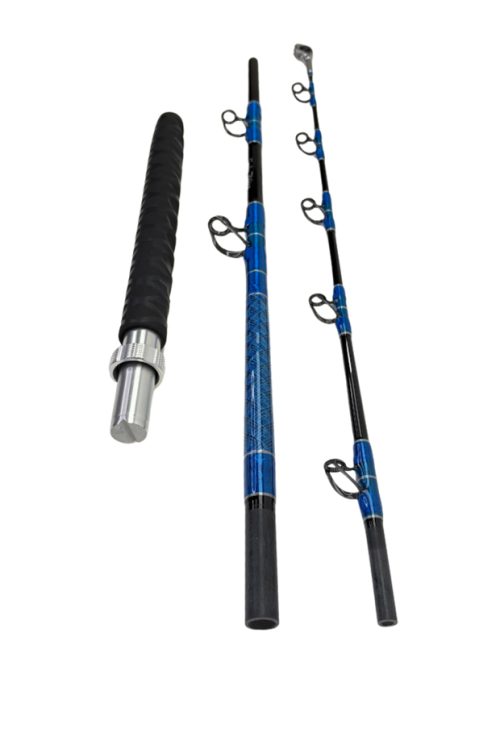
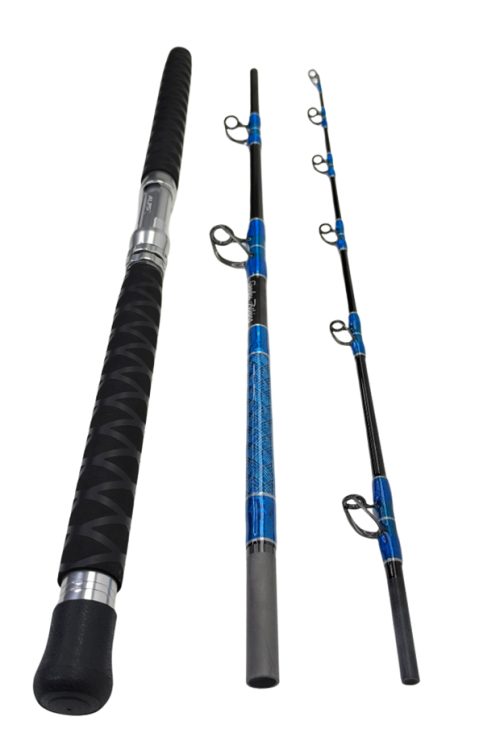
For many mid-size electric reel applications, our Platinum 50-100 Deep Drop is the type of rod we’d recommend.
It provides the backbone needed for the application while maintaining the shorter, practical design we like for deep dropping.
The goal is to match the rod to the reel rather than simply choosing a rod based on the fishing depth.
Larger Electric Reels
For larger electric reels, we may recommend stepping into a heavier deep drop rod.
Depending on the reel and intended application, that could mean a 50-100 or 60-130 deep drop setup.
The important distinction is that the rod needs to match the reel’s capabilities.
A large electric reel capable of applying significant pressure shouldn’t be paired with a rod that isn’t designed to handle it.
This becomes particularly important when you’re fishing heavier weights in deeper water.
Can You Use a Stand-Up Trolling Rod for Deep Dropping?
Absolutely, in the right situation.
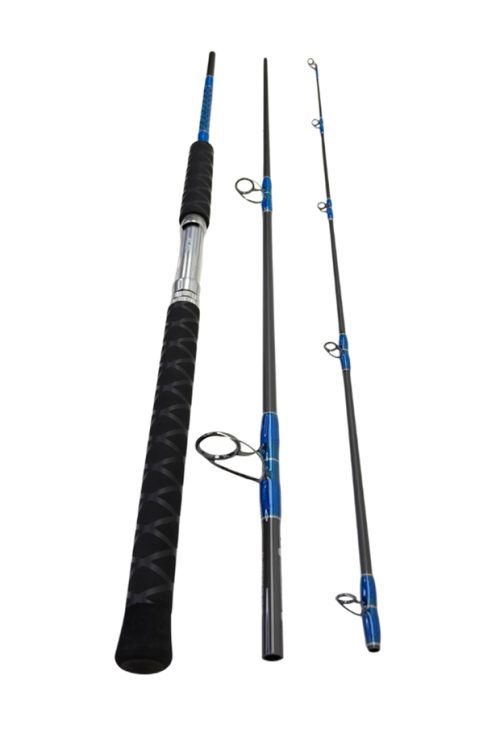
One reason we like a versatile stand-up rod is that it can serve several purposes aboard an offshore boat. In our guide to offshore trolling rod classes and configurations, we explain how backbone, reel selection and butt design affect trolling performance. Those same equipment considerations are worth understanding when deciding whether a stand-up rod can also handle deep dropping.
In fact, this is something we frequently recommend.
A good 50-100 stand-up rod can be a very versatile piece of offshore equipment.
Depending on the reel and fishing conditions, it can work well for:
Deep dropping.
Offshore trolling.
Traditional bottom fishing.
That versatility can be valuable.
Not every angler wants to purchase a dedicated rod for every technique.
If you’re only deep dropping occasionally and your reel and rig are appropriate for the rod, a 50-100 stand-up may be all you need.
But there’s a point where a dedicated setup becomes the better choice.
When you’re consistently fishing several hundred feet down with heavy lead and a larger electric reel, we’d start looking harder at a shorter, heavier deep drop rod.
It’s simply better suited to that type of fishing.
When Does a Dedicated Deep Drop Rod Make Sense?
Before investing in another specialized rod, consider how deep dropping fits into the rest of your fishing. If you’re still planning which offshore rods your boat actually needs, it’s worth deciding whether a dedicated deep drop combination will fill a real gap or whether one of your existing stand-up rods can handle the job.
Some of the situations we’d look at include:
Regularly fishing several hundred feet of water.
Using heavier sinkers to maintain bottom contact.
Pairing the rod with a mid-size or larger electric reel.
Wanting a shorter rod that’s easier to manage at the boat.
Building a setup specifically for deep dropping rather than multiple offshore techniques.
None of those factors automatically means you need the heaviest rod available.
The complete combination still matters.
A smaller electric reel and moderate fishing conditions may work perfectly well with a versatile stand-up rod.
But if deep dropping is something you do regularly, investing in a rod designed for the technique can make a lot of sense.
Matching Deep Drop Rod Classes to Electric Reels
At Connley, we generally think about deep drop rod classes in terms of the reel and intended application.
Here’s a simplified way to look at the options.
| Rod Type | Where We'd Consider It |
|---|---|
| Versatile 50-100 Stand-Up | Occasional deep dropping, smaller electric reels and anglers wanting a multi-purpose rod |
| Dedicated 50-100 Deep Drop | Mid-size electric reels and regular deep drop applications |
| Dedicated 60-130 Deep Drop | Larger electric reels and heavier dedicated deep dropping |
| Sword Rod | Certain large LP-style electric reel applications where versatility is important |
These are starting points rather than universal rules.
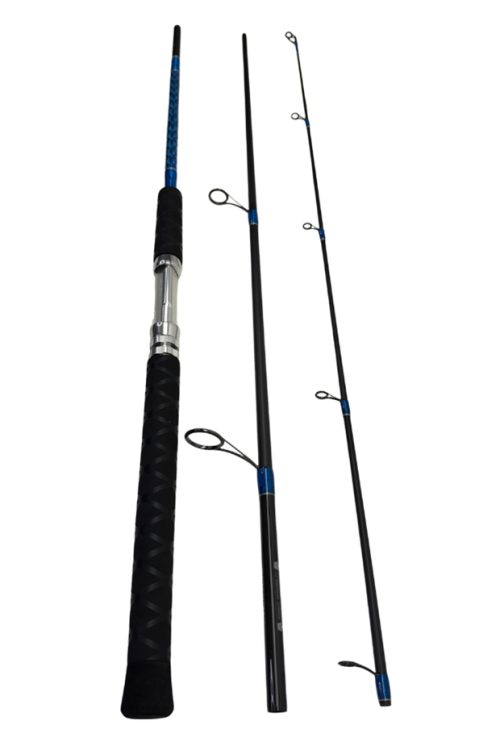
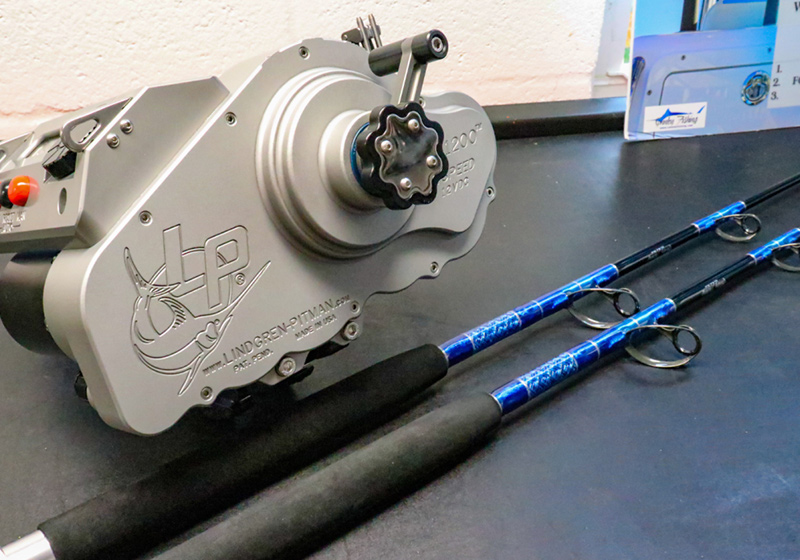
For example, a large LP-style reel might make sense on one of our Sword Rods if the angler wants additional versatility.
Someone who wants a dedicated deep drop setup may prefer a 60-130 Deep Drop instead.
That’s why we don’t make recommendations based on reel size alone.
We also want to know the depth, sinker weight, target species and how the angler intends to use the equipment.
The best deep drop rod is the one that matches the complete fishing system, not simply the biggest reel or heaviest rod rating.
Our Favorite Deep Drop Rod and Reel Combination
If someone asked us to put together a dedicated deep drop setup for serious offshore fishing, one of our favorite combinations would be:
Connley Platinum 50-100 Deep Drop Rod + Winthrop Adjustable Butt + Shimano Beastmaster 9000.
We like this combination because each component serves a purpose.
The Platinum 50-100 Deep Drop is designed for the type of fishing we’re discussing. It’s shorter than many traditional offshore rods, has the backbone needed for deep dropping, and still offers some action in the tip.
The Shimano Beastmaster 9000 gives us the electric reel capability we’re looking for in this type of setup.
And the Winthrop adjustable butt adds versatility by allowing the rod angle to be adjusted for different fishing situations.
It’s a combination we’d be comfortable recommending to an angler who plans to spend serious time deep dropping.
But we wouldn’t automatically recommend it to someone who only drops into deeper water occasionally.
If you’re using a smaller electric reel and want one rod that can handle multiple techniques, a versatile stand-up rod might be a more practical investment.
That’s an important distinction.
We want to match the equipment to the fishing you’re actually doing, not simply recommend the most specialized combination available.


Platinum Deep Drop
$650.00 – $7,600.00Price range: $650.00 through $7,600.00
These heavy-duty Deep Drop rods feature the finest components, designed to get the job done, load the fish box and last a lifetime! Our Deep Drop rods have Fuji silicone carbide guides and a Winthrop roller top along with our handmade, finger-notched X grips.
The 50-100 model has a softer tip action designed for seeing the bite on smaller fish like Vermillion Snapper, Yellow Eyes, and Tilefish. These rods have a #2 Butt. The larger 60-130 model has the #4 Butt and is designed to match up with the bigger-sized LP electric reels.
How Water Depth, Current and Sinker Weight Affect Your Deep Drop Setup
Water depth is important when choosing deep drop equipment, but it shouldn’t be the only consideration.
Two anglers fishing the same depth can have very different experiences depending on the current and the amount of weight required to keep their rigs near the bottom.
Imagine fishing several hundred feet down on a day with manageable current.
You may be able to maintain bottom contact with a relatively moderate amount of lead.
Come back to that same area when the current is moving considerably harder, and you may need a much heavier sinker to keep your rig where it needs to be.
That changes the load on your equipment.
Now you’re dealing with additional weight, more pressure on the rod, and potentially greater demands on the electric reel.
That’s why we look at the complete application.
Before recommending a rod, we’d want to understand:
How deep you normally fish.
How much sinker weight you typically use.
Whether strong current regularly affects your fishing.
What electric reel you’re pairing with the rod.
Whether the setup will be dedicated to deep dropping or used for other techniques.
Those answers help us determine whether a versatile stand-up rod is sufficient or whether a dedicated deep drop model makes more sense.
What About Large LP-Style Electric Reels?
Not every large electric reel belongs on the same style of rod.
For anglers using larger LP-style reels, we may look at a different recommendation depending on the intended application.
One option is a Connley Sword Rod.
That can be an attractive choice when an angler wants a rod that provides versatility beyond a single dedicated deep drop application.
Another option is our 60-130 Deep Drop for someone who wants equipment specifically intended for heavier deep dropping.
The important thing is understanding what the reel is capable of and how the rod will be used.
We don’t want to put a powerful electric reel on an undersized rod simply because the components can physically be mounted together.
And we don’t want to recommend a much heavier rod than necessary if the angler’s fishing doesn’t require it.
The rod, reel and intended load need to make sense as a complete combination.
Common Mistakes When Choosing Deep Drop Fishing Rods
There are a few mistakes we’d encourage anglers to avoid when putting together a deep drop setup.
Pairing a Large Electric Reel With an Undersized Rod
This is one of the most important considerations.
A powerful electric reel can place significant demands on the rod, especially when retrieving heavy rigs from deep water.
The rod needs to be appropriate for the reel’s capabilities and the fishing application.
Don’t assume that any heavy-looking offshore rod is suitable for a large electric reel.
Buying a Rod That's Much Heavier Than Necessary
Going too heavy isn’t always the answer.
If you’re using a smaller electric reel and fishing relatively moderate conditions, a versatile stand-up rod may handle the job perfectly well.
Buying a dedicated heavy deep drop rod doesn’t automatically improve that setup.
Match the equipment to the demands of your fishing.
Ignoring Rod Length
Length matters for practical reasons.
A shorter rod can make it easier to reach the tip and grab the line when bringing a fish or rig to the boat.
That may not sound like a major consideration when you’re shopping for a rod, but it becomes important when you’re actually handling deep drop equipment offshore.
Assuming a Deep Drop Rod Should Be Completely Stiff
Backbone matters, but we still want some action in the tip.
A rod doesn’t need to be completely rigid to be capable of handling deep water fishing.
The right balance depends on the reel and intended application.
Choosing a Rod Before Considering the Reel
We’d rather start by understanding what electric reel you’re using.
A smaller electric reel, a Shimano Beastmaster 9000 and a much larger LP-style reel can call for different rod recommendations.
The reel is a major part of the decision.
Overlooking Whether You Need a Dedicated Rod
Some anglers would benefit from a specialized deep drop setup.
Others may be better served by a versatile 50-100 stand-up rod they can also use for trolling and traditional bottom fishing.
There’s no reason to buy a dedicated rod if a properly matched multi-purpose setup already handles the fishing you do.
The Connley Advantage
At Connley Fishing, we approach deep drop rods a little differently than anglers might expect.
We don’t automatically recommend the shortest, heaviest rod available.
And we don’t assume everyone needs a dedicated deep drop rod.
We start by looking at the electric reel.
From there, we consider how deep you’re fishing, how much weight you’re using, and whether you want a specialized setup or something that can handle several offshore techniques.
For anglers using smaller electric reels, a versatile stand-up rod may be an excellent option.
For mid-size electric reels, our Platinum 50-100 Deep Drop is one of the rods we’d consider.
For larger electric reels and heavier applications, we may recommend a 50-100 or 60-130 Deep Drop, depending on the equipment.
And for certain large LP-style reel applications, a Sword Rod may offer the versatility an angler is looking for.
One of our personal favorite dedicated combinations is the Platinum 50-100 Deep Drop with a Winthrop adjustable butt and Shimano Beastmaster 9000.
It’s a setup we like because the components complement one another for the intended application.
Ultimately, our goal is to help you build something that performs properly offshore, whether that’s one versatile rod or a dedicated deep drop combination.
Final Thoughts
Deep drop fishing puts different demands on your equipment than many other offshore techniques.
You’re fishing deeper water, often using heavier weights, and relying on an electric reel to retrieve your rig and fish.
That makes proper rod and reel matching especially important.
But it doesn’t mean you automatically need the heaviest rod available.
For some anglers, a versatile 50-100 stand-up rod is an excellent solution.
For others, a dedicated 50-100 or 60-130 Deep Drop makes more sense.
The decision comes down to the reel you’re using, the weight you’re fishing, and how specialized you want the setup to be.
We also prefer shorter deep drop rods with enough backbone and some tip action, particularly because they make it easier to handle the line when a fish or rig reaches the boat.
If you’re unsure where to start, tell us what electric reel you’re using and how you plan to fish.
That’s usually enough to begin narrowing down the options.
Frequently Asked Questions
What is the best rod for deep drop fishing?
The best deep drop fishing rod depends on your electric reel, water depth, sinker weight and how often you plan to use the setup.
For anglers who deep drop occasionally with smaller electric reels, a versatile 50-100 stand-up rod may be an excellent option. It can provide the capability needed for certain deep drop applications while remaining useful for trolling and traditional bottom fishing.
For more dedicated deep dropping, we often recommend our Platinum 50-100 Deep Drop, particularly when paired with an appropriately matched mid-size electric reel.
One of our favorite combinations is the Platinum 50-100 Deep Drop with a Winthrop adjustable butt and Shimano Beastmaster 9000.
For heavier applications involving larger electric reels, a 60-130 Deep Drop or another appropriately matched rod may be more suitable.
The important thing is choosing equipment around the complete fishing application rather than the rod rating alone.
Do I need a special rod for an electric fishing reel?
Not necessarily.
Some smaller electric reels can work well with versatile offshore stand-up rods, provided the rod is properly matched to the reel and intended fishing conditions.
A 50-100 stand-up rod, for example, may be suitable for certain deep drop applications while also allowing the angler to use it for trolling or traditional bottom fishing.
However, larger electric reels and heavier deep drop applications may benefit from a dedicated rod.
When you’re fishing several hundred feet down with substantial sinker weight, a shorter, appropriately rated deep drop rod can be more practical.
We’d also want to consider the reel’s size and pulling capability.
The fact that a reel can be mounted on a rod doesn’t automatically mean the combination is appropriate.
Our recommendation would always start with understanding the electric reel and how you plan to use it.
Why are deep drop fishing rods shorter?
We generally prefer shorter rods for deep dropping because they make it easier to reach the tip and grab the line when bringing a fish or rig to the boat.
That becomes especially useful when you’re working with heavy rigs and electric reels.
A longer rod can make handling the line at the boat more awkward, particularly when the rig reaches the surface and you need to bring it within reach.
A shorter rod helps reduce that problem.
However, rod length isn’t the only factor that matters.
We also want enough backbone to handle the intended weight and reel, along with some tip action.
A good deep drop rod should be practical to use, appropriately matched to the equipment, and capable of handling the fishing conditions.
Can I use a trolling rod for deep drop fishing?
Yes, in certain situations.
A versatile 50-100 stand-up rod can work well for deep dropping, trolling and traditional bottom fishing when paired with suitable equipment.
This can be an excellent option for anglers who want to avoid purchasing a separate rod for every offshore technique.
However, the reel and fishing conditions matter.
If you’re regularly fishing several hundred feet down with heavy lead and a larger electric reel, a dedicated deep drop rod may be the better choice.
A shorter rod designed for deep dropping can also make handling the line at the boat more convenient.
We’d look at the reel, sinker weight and intended use before deciding whether a versatile stand-up rod is sufficient.
What rod should I use with a Shimano Beastmaster 9000?
One of our favorite combinations is the Connley Platinum 50-100 Deep Drop with a Winthrop adjustable butt and Shimano Beastmaster 9000.
We like the way this combination brings together a dedicated deep drop rod, an electric reel suited to the intended application, and an adjustable butt for additional flexibility.
The Platinum 50-100 Deep Drop provides the shorter design, backbone and tip action we want in this type of setup.
That said, we’d still want to understand how you plan to fish.
Water depth, sinker weight, current and target species can influence the recommendation.
A combination that works well for one deep drop application isn’t automatically ideal for every situation.
Is a 50-100 or 60-130 rod better for deep dropping?
Neither rod class is automatically better.
A 50-100 Deep Drop can be an excellent match for many mid-size electric reel applications.
For larger electric reels and heavier dedicated deep dropping, a 60-130 may make more sense.
But we wouldn’t choose between them based only on the numbers.
We’d also consider the reel’s capabilities, how much weight you’re fishing, the depth and whether the rod will be used exclusively for deep dropping.
If a 50-100 properly handles your equipment and fishing conditions, stepping up to a 60-130 doesn’t automatically improve the setup.
The goal is to choose the rod that matches the intended application.
Can I use one deep drop rod for trolling and bottom fishing?
In some cases, yes, although we’d approach that decision by starting with a versatile stand-up rod rather than assuming every dedicated deep drop rod should perform multiple jobs.
A quality 50-100 stand-up rod can be a useful option for anglers who want to deep drop, troll and bottom fish with the same rod, provided the reel and fishing conditions are appropriate.
That can make sense for someone who only deep drops occasionally.
However, if deep dropping is a major part of your fishing and you’re using a larger electric reel with heavy sinkers, we’d consider a dedicated deep drop rod.
The shorter design and intended application can make it a better choice for regular deep water fishing.
Versatility is valuable, but it shouldn’t come at the expense of having equipment properly matched to the job.