
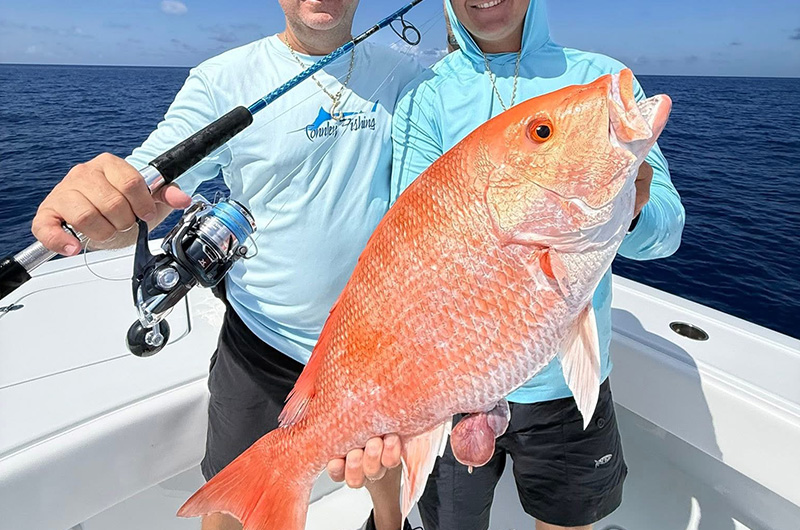
Snapper fishing is a perfect example of why asking for the “best rod” doesn’t always have a simple answer.
A yellowtail snapper drifting back in a chum line and a big mutton snapper eating a bait near the bottom may technically belong to the same family of fish, but we wouldn’t target them with the same setup.
Add mangrove, red, and cubera snapper into the conversation, and the differences become even greater.
That’s why choosing the best rod for snapper fishing starts with three questions:
- Which species are you targeting?
- How deep are you fishing?
- What type of structure are you fishing around?
For smaller yellowtail and mangrove snapper, a lightweight spinning rod gives you the sensitivity and presentation you need. Start targeting big muttons or red snapper in deeper water, and a conventional setup becomes the better tool. Go even deeper, where big snapper and grouper may be feeding around the same structure, and you may need to step up again.
At Connley Fishing, we don’t believe in pretending one rod is perfect for every snapper situation.
Instead, we’ll show you how we actually match the rod to the species, depth, bait, and style of fishing.
Why There Isn't One Best Snapper Rod
The term “snapper fishing” covers an enormous range of fishing situations.
Around South Florida and throughout Florida waters, some of the most commonly targeted snapper include:
- Mutton snapper
- Yellowtail snapper
- Mangrove snapper
- Red snapper
- Cubera snapper
Each presents a different challenge.
Yellowtails may require light tackle and a natural presentation. Mangroves can be targeted on relatively light spinning gear but become surprisingly powerful around structure. Large muttons and reds are commonly targeted with conventional tackle. Cubera can push your equipment into another category entirely.
The depth you’re fishing matters just as much.
As you move into deeper water, everything tends to get heavier. You’re dealing with more current, larger sinkers, bigger baits, additional line in the water, and often larger fish.
That’s why we would never tell an angler to buy a rod simply because the label says “snapper.”
The better approach is to match your offshore fishing rods to the specific job they’re expected to perform.
The Best Rod for Mutton Snapper
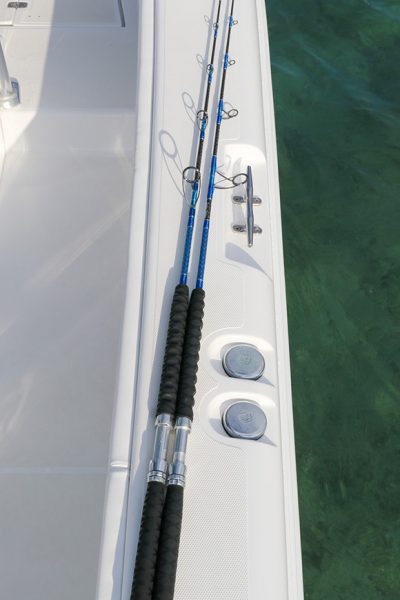
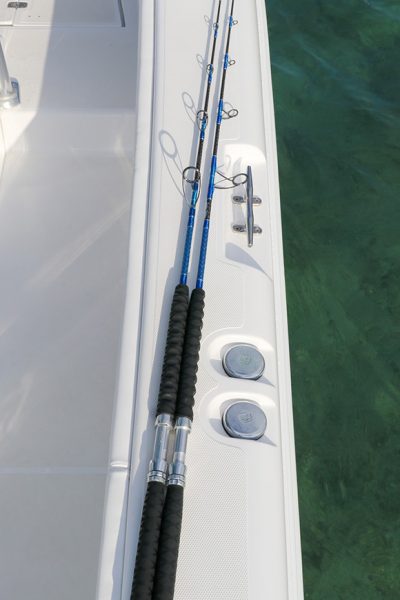
For big mutton snapper, our first recommendation is the 7′ Platinum 700L Conventional.
This is one of those rods that earns its place on an offshore boat because it isn’t limited to one species or technique. For mutton fishing, it provides the combination we want most: enough sensitivity in the tip to recognize what’s happening at the bait, with the power needed once a quality fish is hooked.
A soft, responsive tip matters more than many anglers realize.
When you’re fishing the bottom, you don’t want a rod that feels like you’re holding a broomstick. You want to be able to detect subtle changes and feel the bite while still having enough rod behind you to fight the fish.
The 700L Conventional gives you that balance.
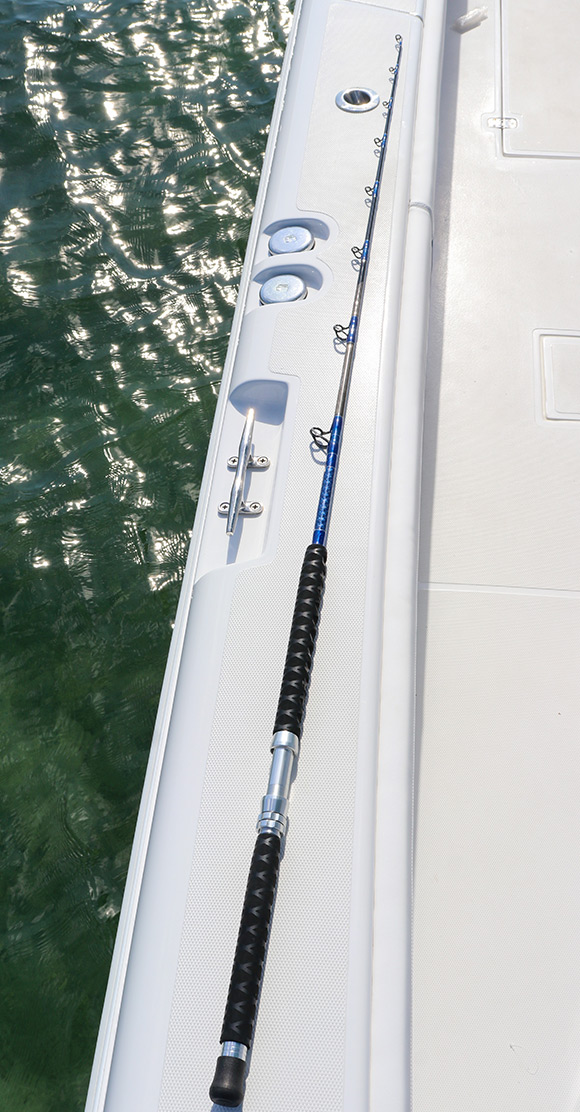
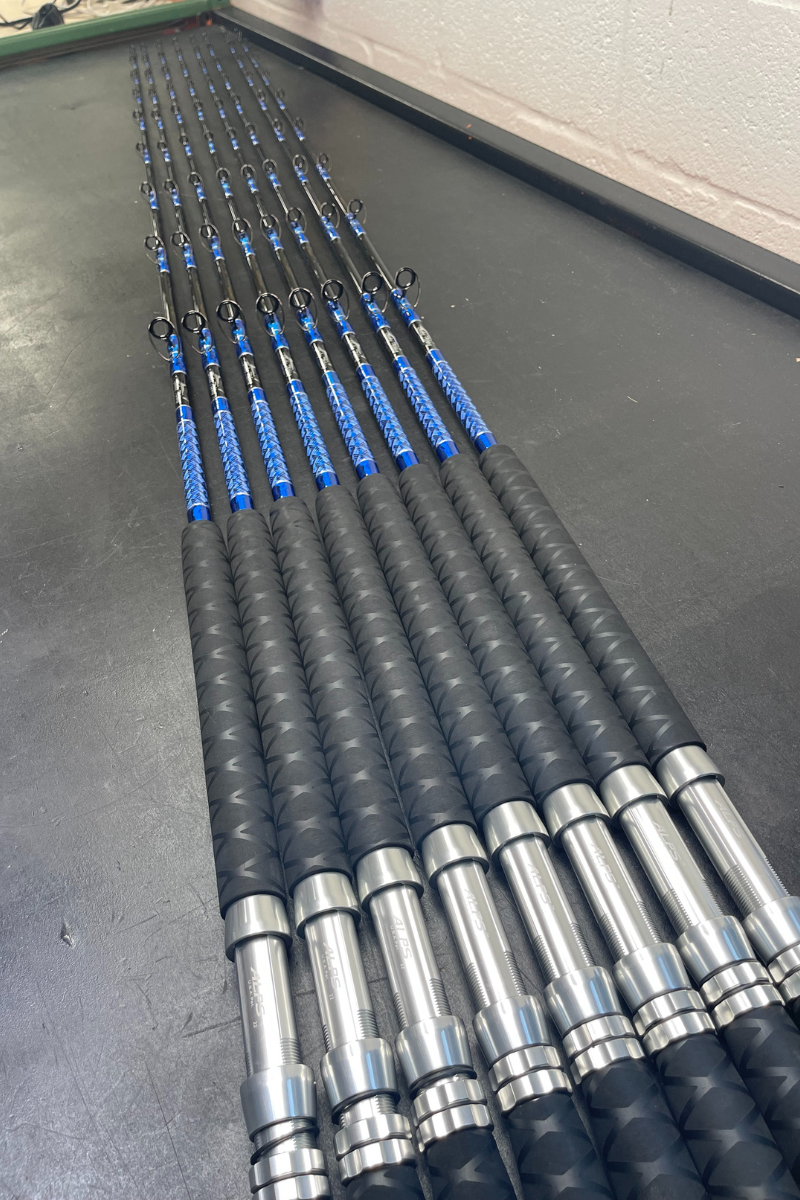
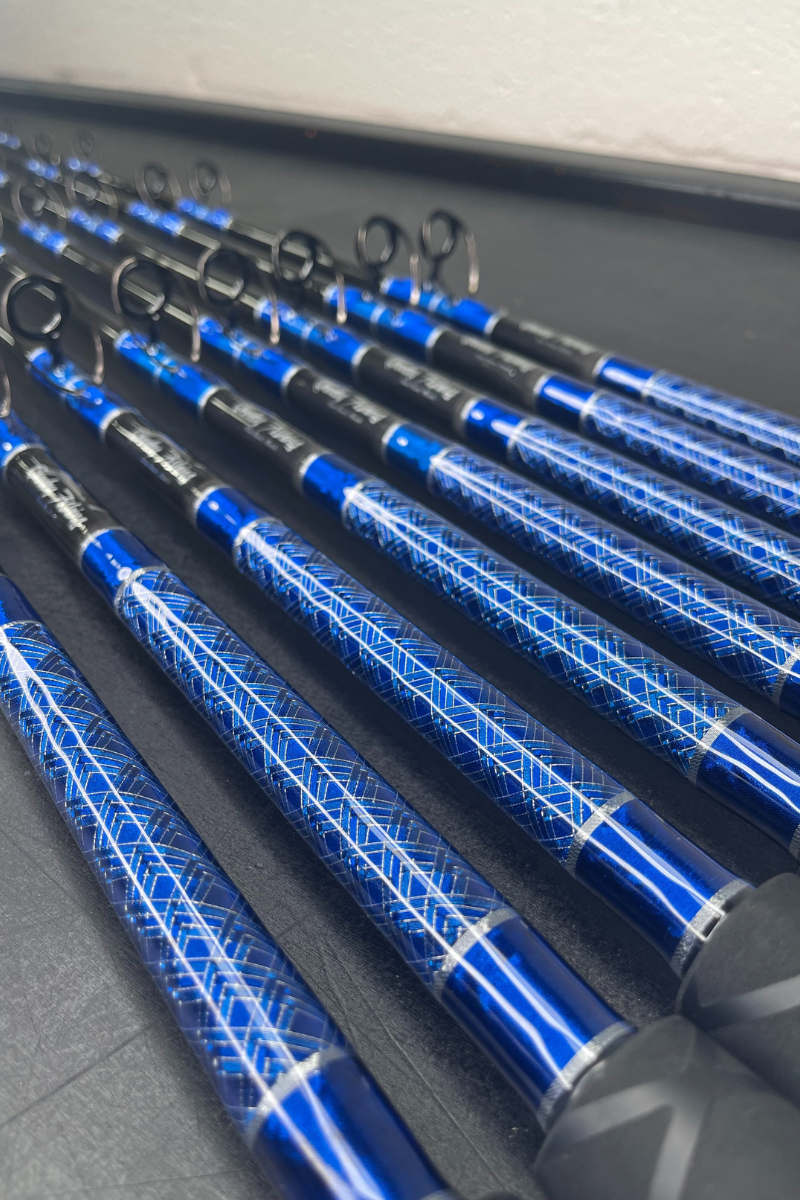
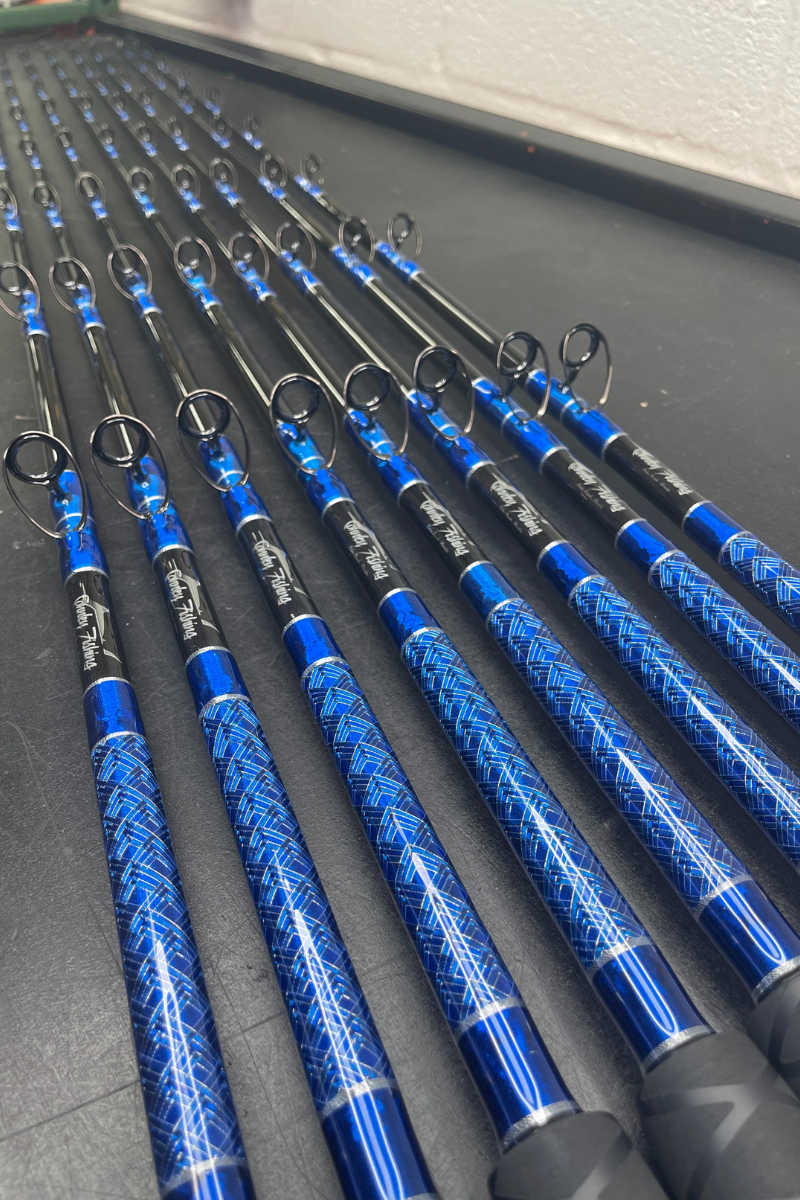
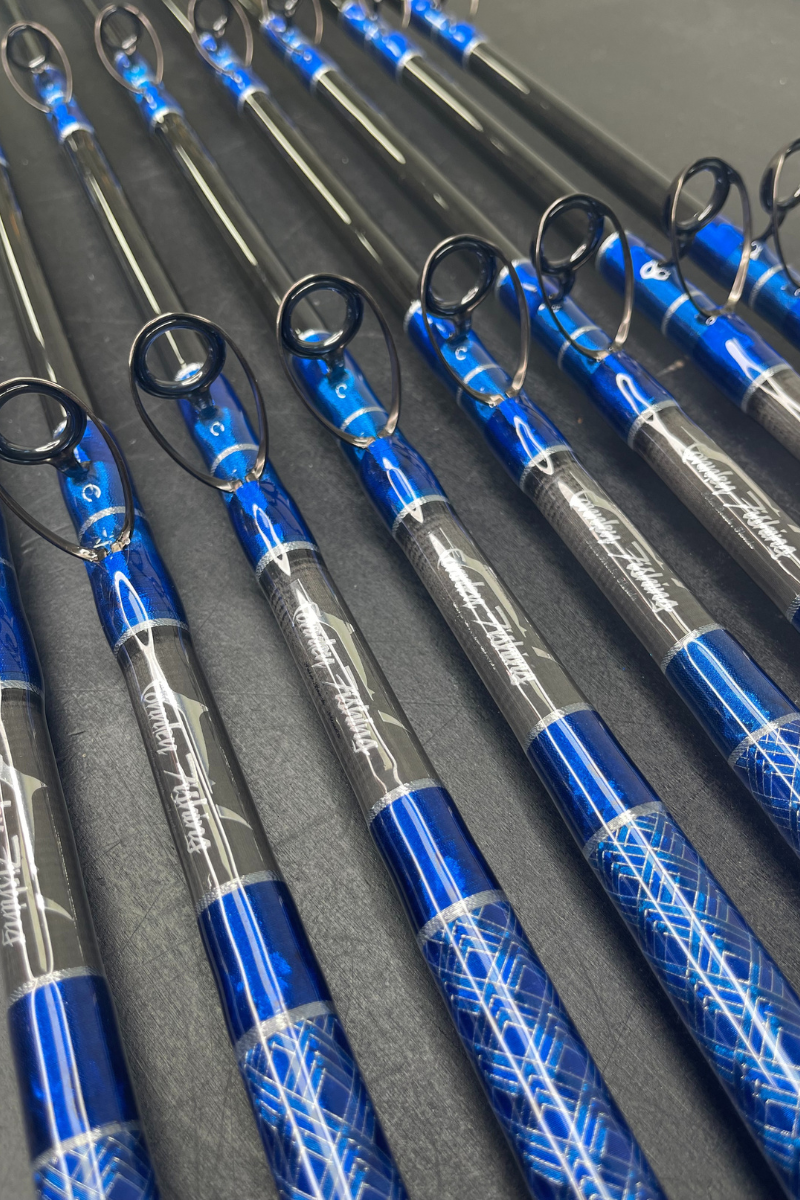
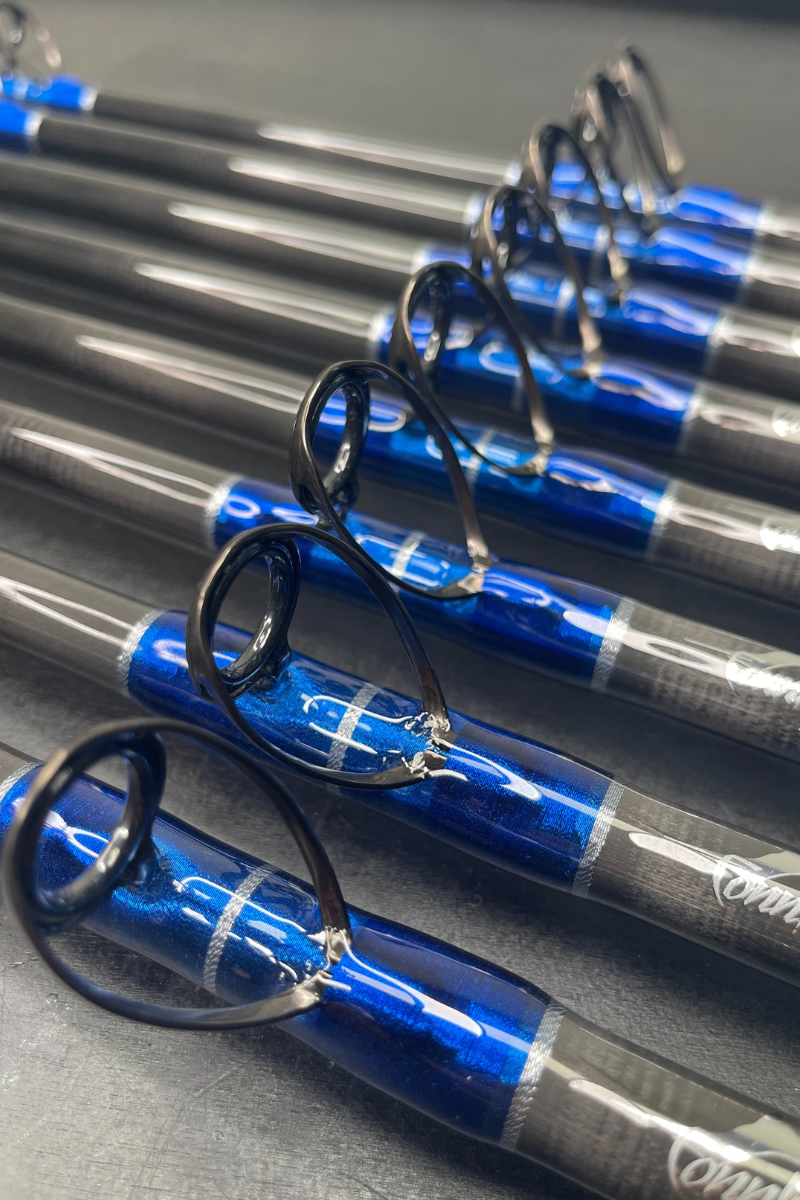
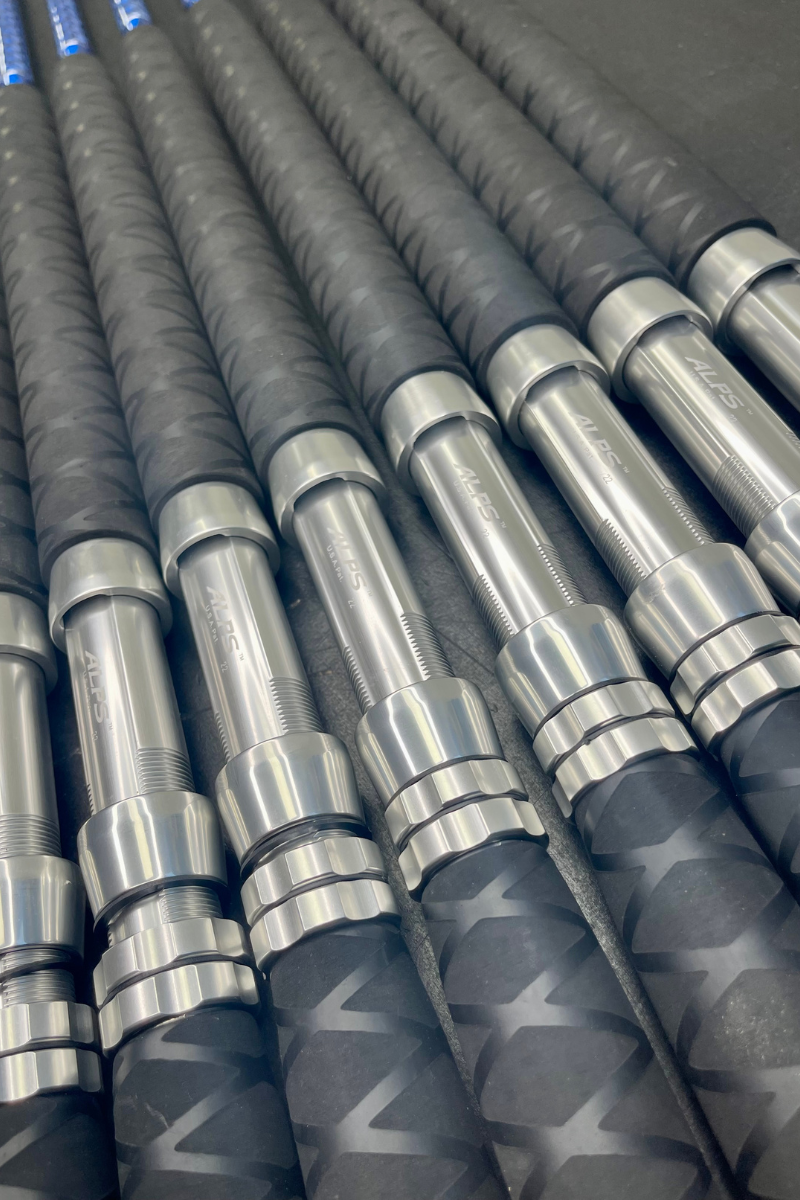
Platinum 700L Conventional 20-40# 7′
$550.00 – $1,169.99Price range: $550.00 through $1,169.996% OFF
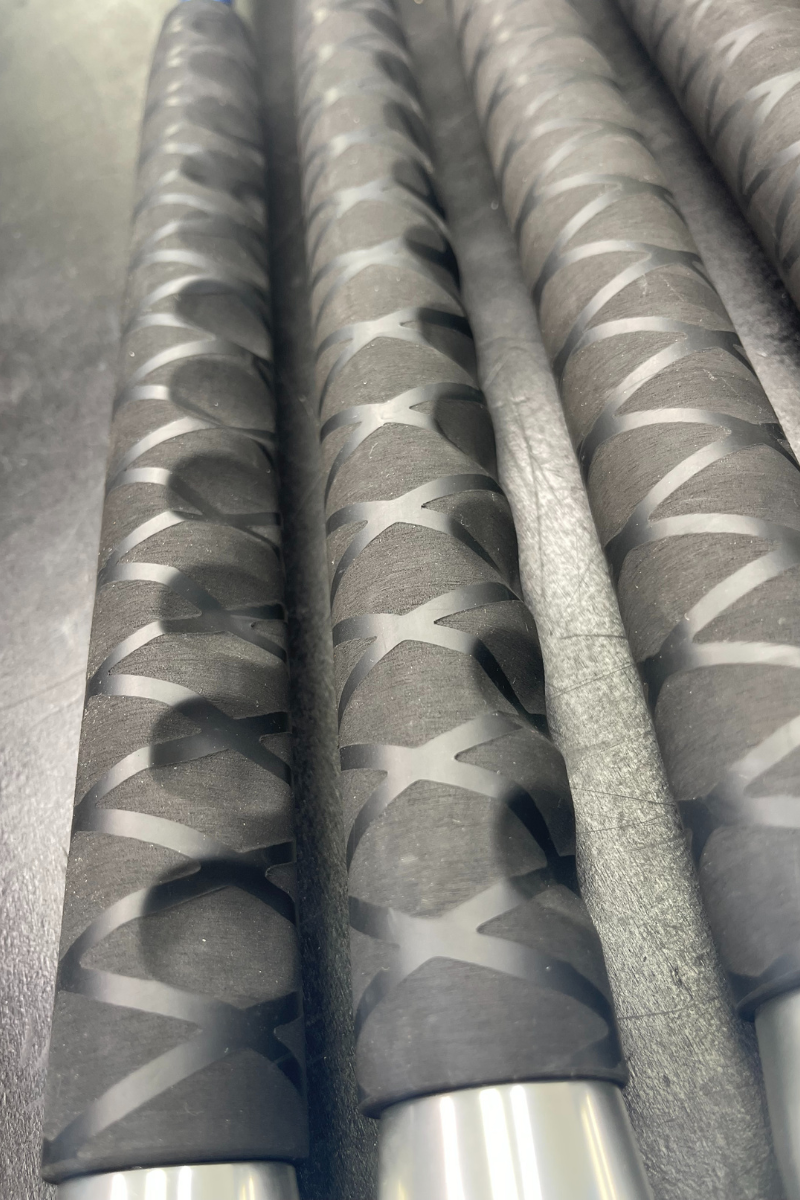
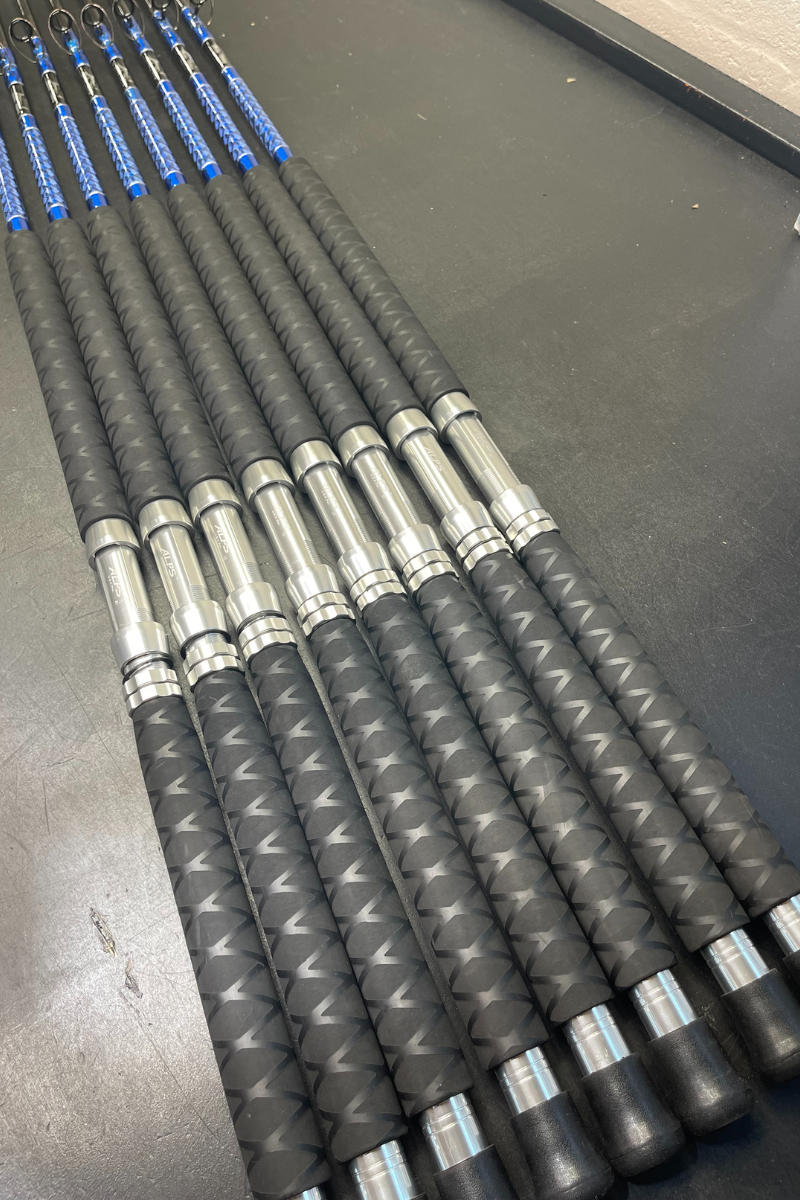
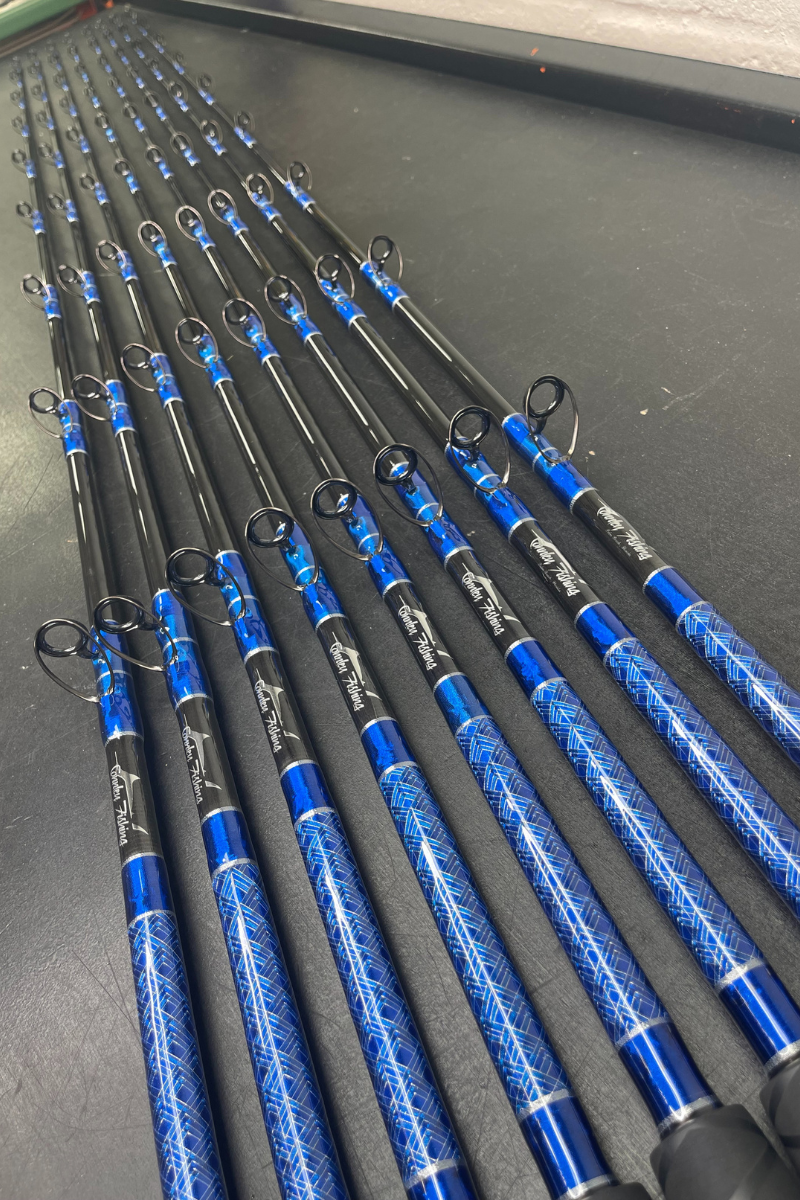
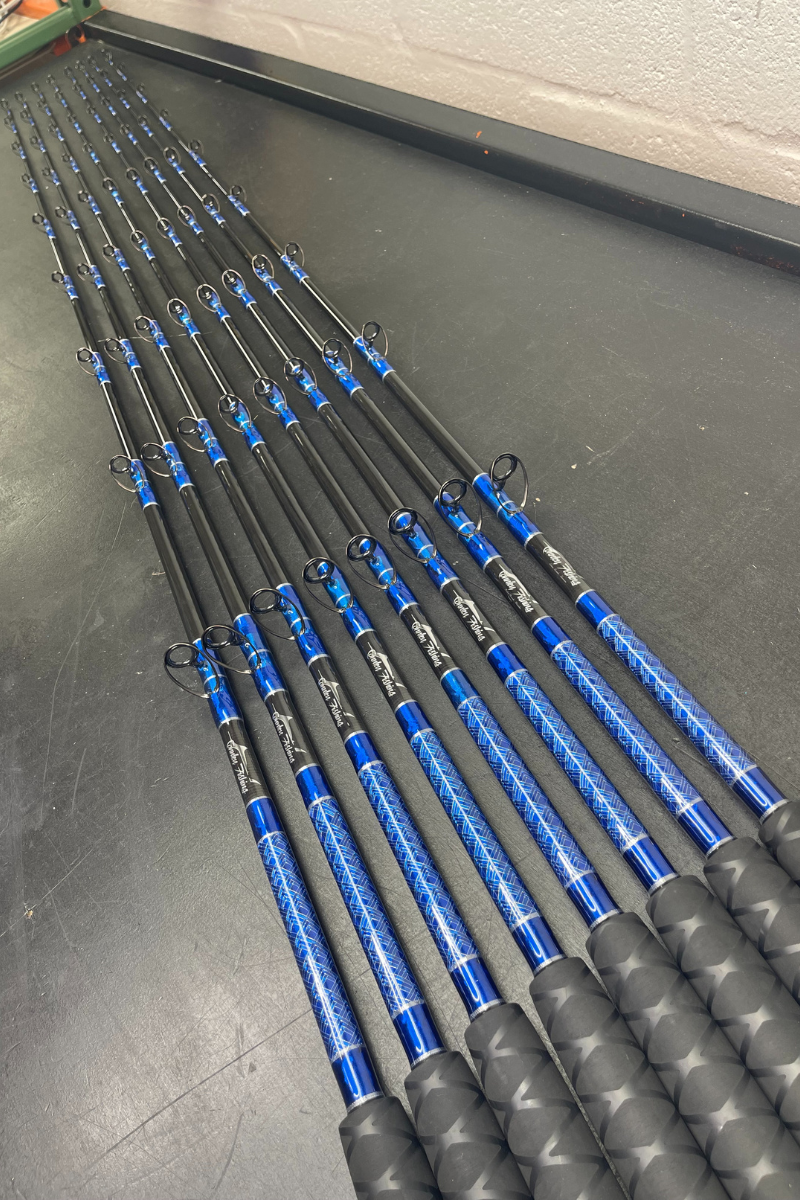
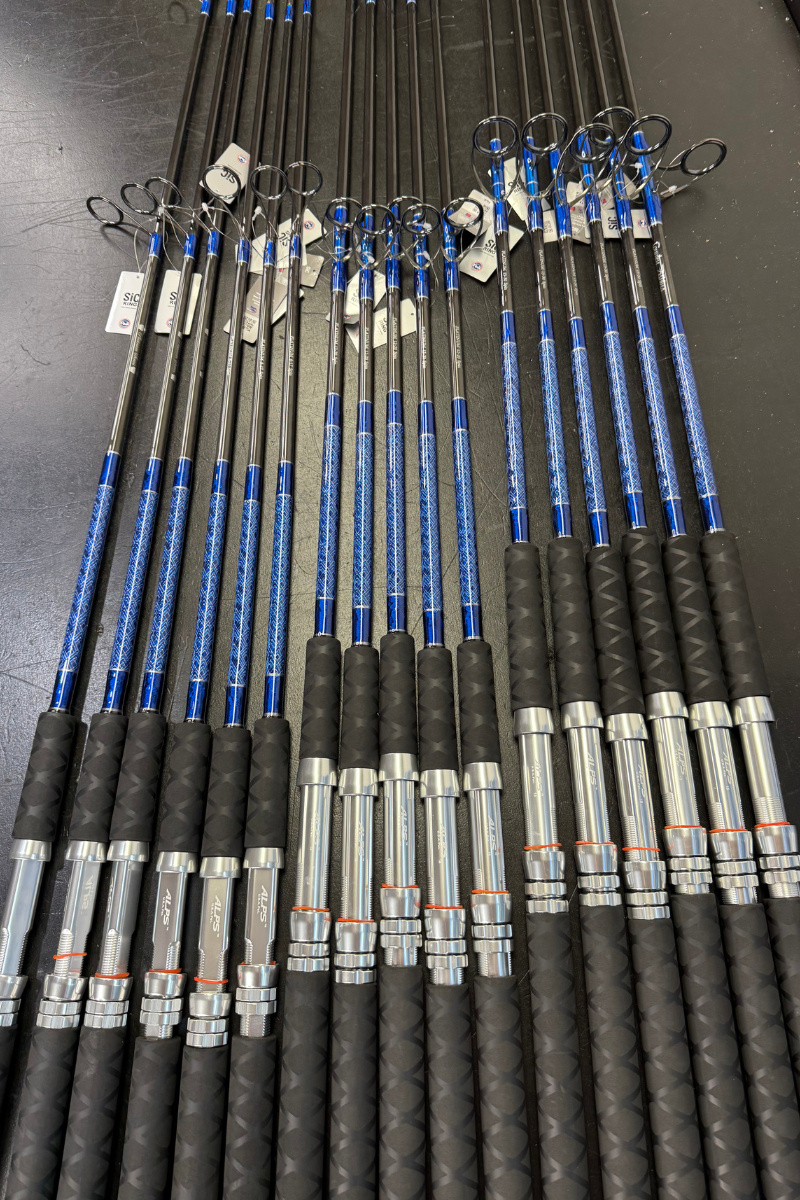
Excellent choice for offshore live bait rods. The 700L was originally designed to be a very Top Quality, all-purpose rod primarily used for live baiting Sails and Kings on kites here in South Florida. We then had many bottom fishing guys buy this rod and use it for Grouper and Mutton fishing and love it! We have even dragged Ballyhoo on it for Mahi and White Marlin….. an extremely all-purpose boat rod for many applications! I have 6 on my boat and absolutely love them! Each rod comes equipped with all the finest components! Alps Silicon Carbide guides. Our very own hand-shaped finger-notched X-Grips and the Alps aluminum reel seat.
Why We Like the 700L for Mutton Snapper
- Soft enough in the tip to help detect the bite.
- Plenty of backbone for quality mutton snapper.
- Seven-foot length provides excellent control during the fight.
- Comfortable enough to fish without unnecessarily beating up the angler.
- Versatile enough to use for several other offshore species and techniques.
If you’re fishing deeper water, using heavier lead, or targeting an area where larger fish are common, we’d step up to the 700M Conventional for additional power.
That’s an important distinction.
Don’t choose your rod based solely on the species listed on a fishing report. Think about the entire environment you’re fishing.
If you’re dropping a large bait onto deep structure where a big mutton, cubera, red snapper, or grouper could eat it, your equipment needs to be capable of handling all of them.
The Best Rod for Red Snapper
Red snapper fishing follows many of the same principles as targeting larger muttons.
For most situations, we’d again start with the 7′ Platinum 700L Conventional.
As depth increases, however, the 700M Conventional becomes increasingly attractive.
Deep-water snapper fishing places additional demands on your tackle because you’re often dealing with:
- Heavier sinkers.
- Stronger current.
- Bigger baits.
- More line between you and the fish.
- Larger snapper.
- Grouper or other powerful bottom fish feeding in the same area.
This is where some anglers make the mistake of focusing entirely on sensitivity.
Yes, you need to feel the bite.
But you also need enough rod to move a powerful fish once it decides to head back toward the bottom.
The goal isn’t to buy the heaviest deep sea fishing rod you can find. It’s to find the right balance between sensitivity and lifting power for the depth and structure you’re fishing.
Platinum 700L Conventional 20-40# 7′
$550.00 – $1,169.99Price range: $550.00 through $1,169.996% OFF
Excellent choice for offshore live bait rods. The 700L was originally designed to be a very Top Quality, all-purpose rod primarily used for live baiting Sails and Kings on kites here in South Florida. We then had many bottom fishing guys buy this rod and use it for Grouper and Mutton fishing and love it! We have even dragged Ballyhoo on it for Mahi and White Marlin….. an extremely all-purpose boat rod for many applications! I have 6 on my boat and absolutely love them! Each rod comes equipped with all the finest components! Alps Silicon Carbide guides. Our very own hand-shaped finger-notched X-Grips and the Alps aluminum reel seat.
The Best Rod for Yellowtail Snapper
Yellowtail fishing is a completely different game.
Instead of reaching for a heavier conventional setup, we prefer a lighter spinning rod that allows anglers to present bait naturally and enjoy the fight.
Our first recommendation is the 7′ Platinum Graphite 12-20 Spinning Rod.
This is exactly the type of situation where lighter equipment shines.
Yellowtail can be incredibly cautious, particularly when the water is clear and the fish have seen plenty of pressure. A lighter spinning setup makes it easier to fish smaller presentations naturally while maintaining the sensitivity needed to detect what’s happening at the end of the line.
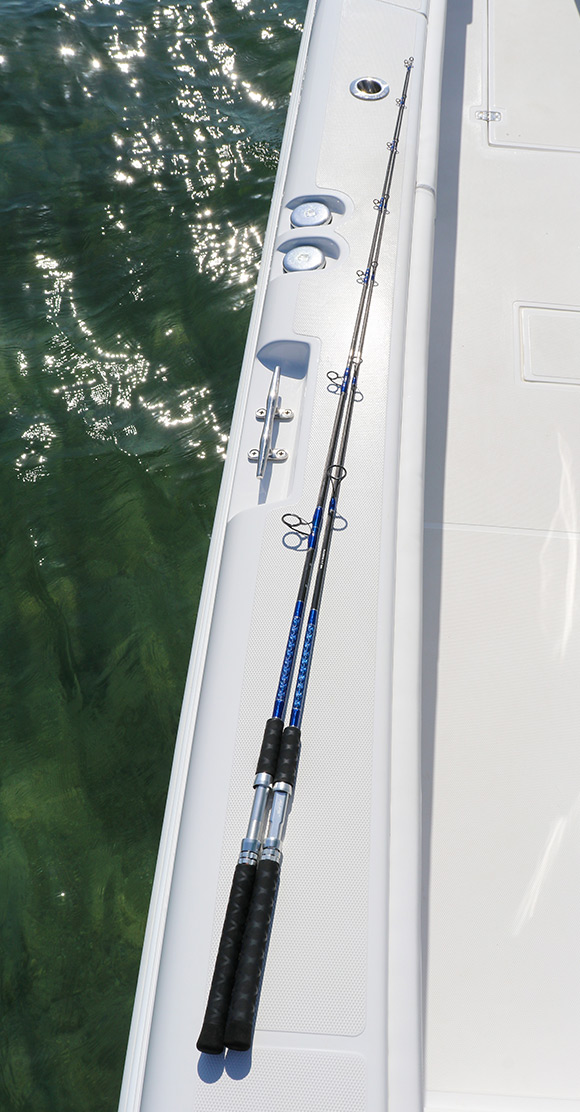
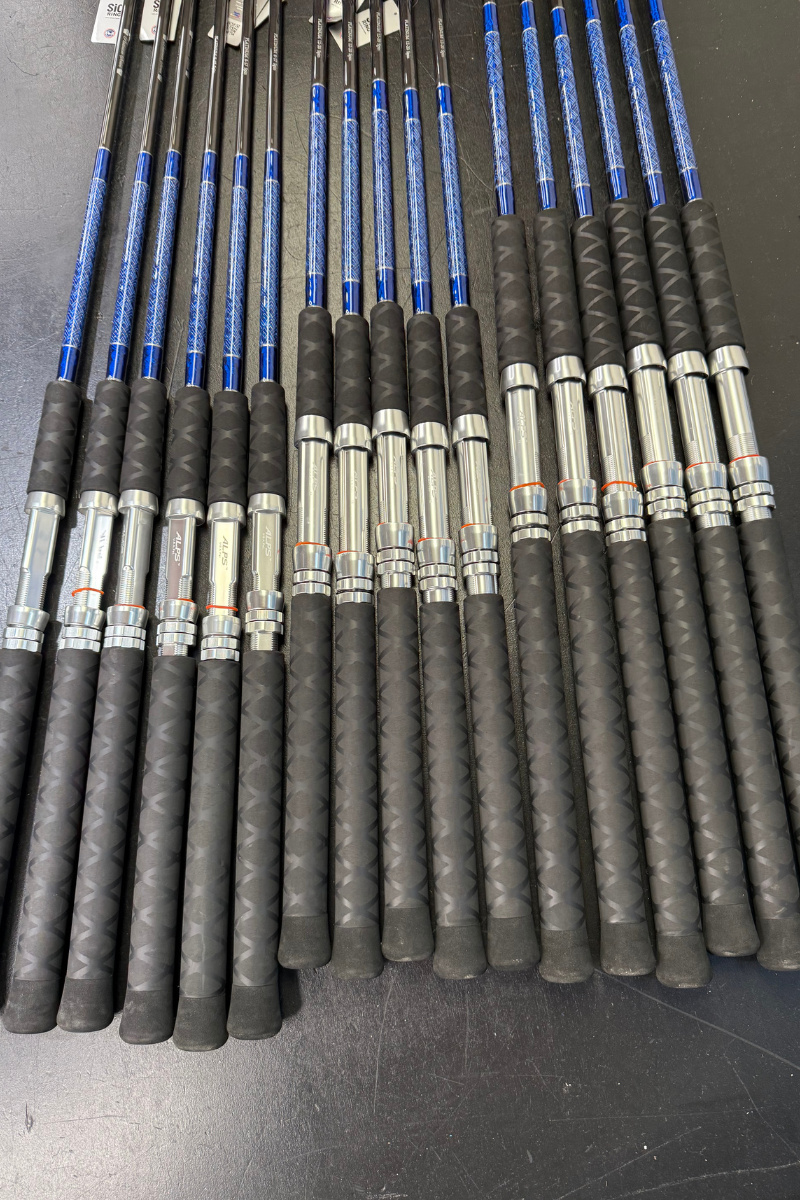
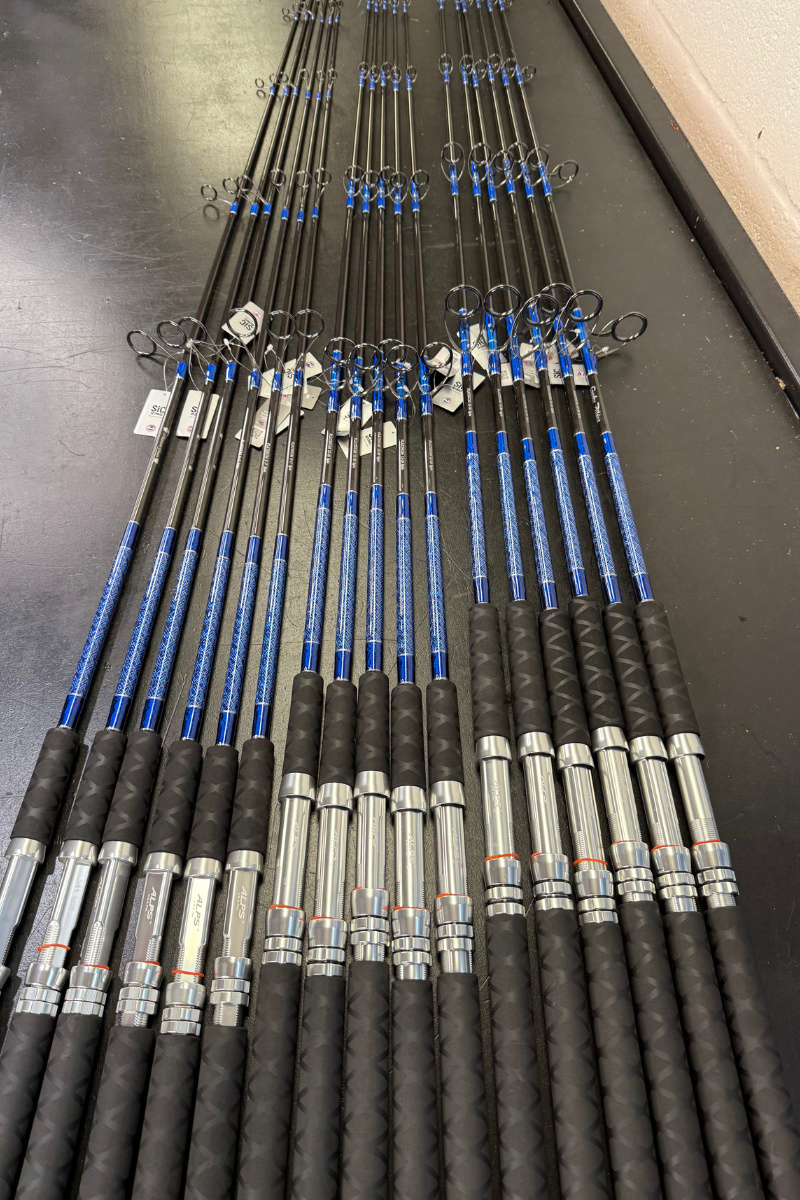
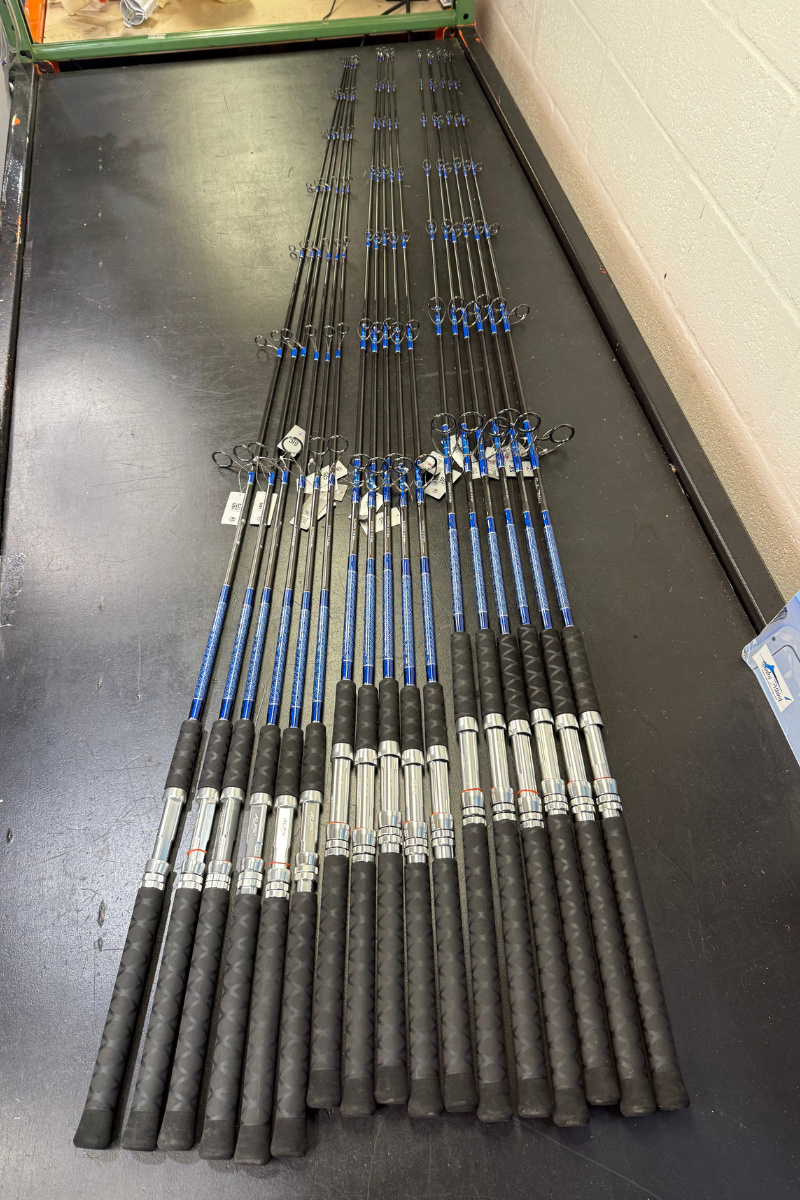
Platinum Graphite Spinning 7′
$500.00 – $810.00Price range: $500.00 through $810.004% OFF
Our NEW Platinum Series lightweight, graphite spinning rods come in 3 different sizes covering all the bases for your inshore fishing needs.
All made with Fuji carbide guides, which will last you a lifetime! Our handmade X grips are super durable and made to stand up to rigorous saltwater conditions.
3 different choices in light 8-17 for casting small half ounce Lures, the medium 12-20 is the perfect yellowtail, snapper rod, and the medium heavy 15-30 has just enough power to pitch live baits to Mahi offshore, but still light enough for Snook & Tarpon fishing in the inlet.
What We Want in a Yellowtail Snapper Rod
A good yellowtail setup should offer:
- A lightweight feel.
- A sensitive, responsive tip.
- Enough action to make smaller fish enjoyable.
- Sufficient backbone for larger yellowtails.
- Excellent control when drifting a bait naturally.
- Comfortable performance during long periods of active fishing.
You don’t need an oversized offshore rod for this style of snapper fishing.
In fact, going too heavy can work against you.
The 12-20 Platinum Graphite gives anglers the sensitivity and presentation advantages of lighter tackle while still being built to handle saltwater fishing.
The Best Rod for Mangrove Snapper
For everyday mangrove snapper fishing, the 7′ Platinum Graphite 12-20 Spinning Rod is again an excellent starting point.
However, mangroves can vary dramatically in size and habitat.
Smaller fish can be incredibly fun on light tackle. Larger mangroves living around reefs, wrecks, bridges, and other structure can turn into a completely different fight.
If we’re specifically expecting larger fish, stepping up to the 15-30 Platinum Graphite Spinning Rod gives us additional power without abandoning the advantages of a responsive spinning setup.
Think of the decision this way:
Platinum Graphite Spinning 7′
$500.00 – $810.00Price range: $500.00 through $810.004% OFF
Our NEW Platinum Series lightweight, graphite spinning rods come in 3 different sizes covering all the bases for your inshore fishing needs.
All made with Fuji carbide guides, which will last you a lifetime! Our handmade X grips are super durable and made to stand up to rigorous saltwater conditions.
3 different choices in light 8-17 for casting small half ounce Lures, the medium 12-20 is the perfect yellowtail, snapper rod, and the medium heavy 15-30 has just enough power to pitch live baits to Mahi offshore, but still light enough for Snook & Tarpon fishing in the inlet.
Choose the 12-20 When:
- You’re targeting average yellowtail or mangrove snapper.
- Presentation and sensitivity are the priorities.
- You’re fishing relatively light tackle.
- You want a rod that makes smaller snapper enjoyable.
Choose the 15-30 When:
- Larger mangroves are expected.
- You’re fishing closer to structure.
- You want additional backbone.
- You need a more versatile spinning rod that can cross over into other fishing styles.
This is why we don’t like universal answers to rod-selection questions.
The best snapper rod isn’t determined by the word “snapper.”
It’s determined by the fish in front of you.
Why Rod Action Matters So Much for Snapper
When anglers shop for bottom fishing rods, they often focus almost entirely on power.
That’s only half the equation.
We want power when it’s needed, but we also want action in the tip.
A responsive tip helps you detect the bite and understand what’s happening with your bait. Just as importantly, a rod with some forgiveness can make a long day of bottom fishing much more comfortable.
Extremely stiff rods transfer more of the load directly to the angler.
That’s exhausting.
A properly designed rod bends and works throughout the fight, allowing the blank to help absorb pressure rather than making your back and arms do everything.
For snapper fishing, we’re looking for a balance:
- Enough tip sensitivity to recognize the bite.
- Enough action to let the rod work during the fight.
- Enough backbone to control the fish.
- Enough power for the depth and structure we’re fishing.
That combination matters far more than simply buying the stiffest rod on the rack.
The Long-Leader Trick for Wary Snapper
Here’s where snapper fishing gets particularly interesting.
Snapper are smart.
When you’re fishing the bottom, the sinker can become one of the biggest problems with your presentation. A weight bouncing along the bottom can look unnatural and spook fish that have already seen plenty of pressure.
One way we combat that is with an extra-long leader.
And when we say long, we mean it.
It’s not unusual for us to fish a leader approaching 60 feet when conditions call for it.
The purpose is simple: create as much separation as possible between the bait and the sinker.
The farther that natural bait is from a piece of lead bouncing across the bottom, the more convincing the presentation can become.
Another important technique is keeping the reel in free spool during the drift and allowing the bait to move out naturally at approximately the same speed as the drift.
Instead of forcing the bait into an unnatural presentation, you’re allowing it to move through the water much more naturally.
This is exactly why snapper success isn’t determined by rod power alone.
The rod, leader, weight, bait presentation, current, and angler all have to work together.
When to Step Up to a Heavier Snapper Rod
There comes a point where light tackle stops being the right tool for the job.
As you move into deeper water, you’re not simply dealing with more depth. The entire fishing situation changes.
You may need:
- Heavier lead to reach and hold the bottom.
- Larger live or dead baits.
- More line capacity.
- Additional lifting power.
- Enough backbone to handle grouper or other large bottom fish.
- More control around wrecks, reefs, and natural ledges.
This is where we’d move from the Platinum 700L Conventional to the Platinum 700M Conventional.
The 700M gives you additional power while maintaining enough sensitivity in the tip to recognize what’s happening at the bait.
That’s an important distinction because a heavier rod shouldn’t automatically mean an unresponsive rod.
You’re still snapper fishing.
You still need to detect the bite and understand what your bait is doing. You simply need more power behind that sensitivity because of the environment you’re fishing.
The deeper you go, the more important it becomes to choose an offshore fishing rod based on the entire situation rather than one target species.
What About Cubera Snapper?
Cubera deserve special consideration because they can grow substantially larger and more powerful than the yellowtail, mangrove, and mutton snapper many anglers regularly encounter.
When targeting big cubera around deep structure, we’re no longer approaching the setup like we would for everyday snapper fishing.
You’re dealing with a fish capable of immediately putting serious pressure on your equipment.
This is another situation where we’d lean toward heavier conventional tackle, especially when fishing:
- Deep wrecks.
- Natural ledges.
- Heavy reef structure.
- Large live baits.
- Areas where big grouper may also be present.
The exact setup should be determined by the depth, current, bait size, and caliber of fish you’re expecting.
That’s why an angler specifically targeting cubera shouldn’t simply grab the same spinning rod they use for yellowtail because both fish happen to be snapper.
They’re completely different fishing situations.
Spinning vs. Conventional Rods for Snapper
There’s no reason to turn this into a debate about which style of tackle is universally better.
Both belong on the boat.
The deciding factor should be the species and technique.
Spinning Gear Makes Sense For:
- Yellowtail snapper.
- Average mangrove snapper.
- Lighter presentations.
- Situations where casting is important.
- Anglers fishing lighter line and tackle.
Conventional Gear Makes Sense For:
- Big mutton snapper.
- Red snapper.
- Deeper bottom fishing.
- Heavier sinkers and larger baits.
- Situations where increased power and line control matter.
This is one of the reasons experienced offshore anglers tend to build collections of rods rather than searching endlessly for one setup that supposedly does everything.
The right spinning rod can make yellowtail fishing significantly more enjoyable.
The right conventional rod can give you the control needed when a big mutton eats near the bottom.
Neither is inherently better.
They’re different tools for different jobs.
Common Mistakes When Choosing a Snapper Rod
Snapper fishing covers so many species and techniques that buying tackle based solely on the target name is one of the easiest ways to end up with the wrong equipment.
Some of the most common mistakes include:
- Buying one heavy rod and expecting it to handle every snapper species well.
- Using excessively heavy tackle for yellowtail and smaller mangroves.
- Choosing a rod based only on power while ignoring tip action.
- Fishing deep water without accounting for heavier sinkers and larger baits.
- Using a rod that’s too light around heavy structure.
- Assuming all deep sea fishing rods are interchangeable.
- Ignoring the other species that may eat the bait while bottom fishing.
That last point deserves more attention.
You may be targeting mutton snapper, but the ocean doesn’t know what’s written on your fishing plan.
If you’re dropping a big bait onto productive bottom structure, a grouper may eat it.
A cubera may eat it.
Something considerably larger than the snapper you expected may eat it.
Your setup should account for realistic possibilities without becoming unnecessarily heavy.
Don't Overlook Comfort When Choosing a Bottom Fishing Rod
Power sells rods.
Comfort keeps anglers fishing.
There’s a tendency in offshore fishing to assume that a heavier, stiffer rod is automatically more capable. But if you’re holding that rod for hours, repeatedly dropping baits, retrieving heavy sinkers, and fighting fish from deep water, an unnecessarily stiff setup becomes exhausting.
A well-designed rod should help you fight the fish.
The blank should load under pressure and distribute the force through the rod instead of transferring everything directly into your arms and lower back.
That’s especially important for anglers who spend entire days bottom fishing.
The goal is not maximum stiffness.
The goal is usable power.
You want enough backbone to control the fish while maintaining enough action for the rod to actually do its job.
The Connley Advantage
If you walked into our shop and asked for the best snapper rod, the first thing we’d ask is what kind of snapper you’re targeting.
That’s the part too many anglers skip.
If you’re targeting yellowtail or average mangrove snapper, we’d put a lightweight 7′ Platinum Graphite 12-20 Spinning Rod in your hands. You’ll have the sensitivity and presentation you need without overpowering the fish.
If you’re heading offshore for big mutton or red snapper, we’d start with the 7′ Platinum 700L Conventional. If you’re fishing especially deep water, using bigger baits and heavier lead, or expecting larger grouper and cubera around the same structure, we’d consider stepping up to the 700M Conventional.
We’d also tell you not to overlook your presentation.
Snapper can be incredibly wary. A long leader that separates your bait from the sinker can make a major difference, and we’re not afraid to go extremely long when the situation calls for it. A 60-foot leader isn’t out of the question.
Keep the reel in free spool during the drift, let the bait move naturally with the current, and don’t make your presentation more complicated than it needs to be.
The best rod is important, but it’s only one part of catching smart fish consistently.
Final Thoughts
There isn’t one best rod for snapper fishing because there isn’t one type of snapper fishing.
A yellowtail drifting through a chum line requires a completely different approach than a big mutton feeding near deep structure.
That’s exactly how we think anglers should build their setups.
For lighter snapper fishing, the 7′ Platinum Graphite 12-20 Spinning Rod provides the sensitivity, action, and lightweight performance we want for yellowtail and mangrove snapper.
For bigger mutton and red snapper, our first choice is the 7′ Platinum 700L Conventional. When depth, current, bait size, and the possibility of larger fish increase, stepping up to the 700M Conventional gives you additional power.
Instead of searching for a single rod that claims to do everything, build your collection around the fishing you actually do.
Match the rod to the species.
Match the power to the depth and structure.
Pay attention to rod action, not just the number printed on the blank.
And never forget that presentation can matter just as much as equipment. Sometimes a longer leader and a naturally drifting bait will catch the fish that the heaviest, most expensive setup on the boat won’t.
That’s how we approach offshore fishing rods at Connley Fishing: choose the right tool for the job, invest in equipment built to last, and let the rod work with you instead of against you.
Frequently Asked Questions
What is the best rod for snapper fishing?
There isn’t one universal best rod because snapper species vary dramatically in size, habitat, and the techniques used to catch them. For yellowtail and average mangrove snapper, we prefer a lighter spinning setup such as the 7′ Platinum Graphite 12-20. It provides excellent sensitivity and allows anglers to present lighter baits naturally.
For larger offshore species such as mutton and red snapper, we’d move to a conventional rod. The 7′ Platinum 700L Conventional is our first recommendation because it combines a responsive tip with enough backbone for quality bottom fish. In deeper water, or when heavier sinkers, larger baits, grouper, and cubera enter the equation, the more powerful 700M Conventional may be the better choice.
Is a spinning or conventional rod better for snapper?
Both have a place in snapper fishing. The better choice depends primarily on the species, depth, and presentation.
Spinning tackle is ideal for yellowtail and many mangrove snapper situations because it allows anglers to fish lighter presentations comfortably and cast when necessary. Conventional tackle becomes more useful when targeting big muttons and reds in deeper water because it provides excellent line control and the power needed for heavier bottom-fishing applications. Rather than choosing one style exclusively, serious snapper anglers benefit from having both available.
What rod should I use for mutton snapper?
For big mutton snapper, our go-to recommendation is the 7′ Platinum 700L Conventional. It has enough action in the tip to help you detect subtle bites while maintaining the backbone needed to fight a quality mutton away from the bottom.
If you’re moving into especially deep water or fishing areas where large grouper, cubera, or oversized red snapper are likely to eat the same bait, stepping up to the 700M Conventional gives you additional power. Depth, sinker weight, bait size, current, and structure should all influence the final decision rather than choosing your rod based solely on the target species.
What rod should I use for yellowtail snapper?
For yellowtail snapper, we prefer the 7′ Platinum Graphite 12-20 Spinning Rod. Yellowtail fishing rewards sensitivity and natural bait presentation more than brute strength, which makes a lightweight spinning setup an excellent fit.
A lighter rod also makes the fishing considerably more enjoyable. You can feel what’s happening with the bait, detect subtle bites, and fight the fish using tackle appropriate for their size. Going unnecessarily heavy can reduce sensitivity and make it more difficult to achieve the natural presentation that wary yellowtails often demand.
Why do snapper fishermen use such long leaders?
Snapper can be extremely cautious, especially in clear water or heavily pressured areas. A sinker bouncing along the bottom can look unnatural and potentially spook fish. Using a long leader creates greater separation between the bait and the weight, allowing the bait to appear much more natural.
We aren’t afraid to use extremely long leaders when the situation calls for it. A leader approaching 60 feet isn’t unheard of. During a drift, keeping the reel in free spool can also allow the bait to move naturally with the current rather than being dragged unnaturally behind the sinker. These small presentation details can make an enormous difference when targeting educated fish.
When should I use a heavier rod for snapper?
Step up to a heavier rod when the overall fishing situation demands it. Depth is one of the biggest factors because deeper water often requires heavier lead, larger baits, more line, and additional lifting power. The fish encountered in those areas may also be considerably larger.
Structure matters too. If you’re fishing deep wrecks, reefs, or natural ledges where big cubera or grouper may eat your bait, having additional backbone can prevent you from being badly underpowered. The objective isn’t to use the heaviest rod possible. It’s to carry enough power for the depth, weight, structure, and fish you’re realistically likely to encounter.